
Mental Health Minute: Spouse Connection
🌿 Mental Health & Marriage Reminder 🌿
Your spouse isn’t just a partner in life—they’re a partner in well-being. Healthy connection doesn’t happen in grand gestures…it’s built in the tiny, everyday moments:
5-minute check-ins–
- Small acts of support
- Saying “I appreciate you”
- Listening without fixing
- Creating calm together
Strong emotional connection can ease stress, boost resilience, and make the hard days feel a little lighter. If life has felt busy or disconnected lately, it’s okay—just start with one intentional moment today.
Reach for each other. You’re on the same team.
Mental Health Minute: Gratitude
Gratitude is more than a feeling—it’s a practice that can reshape the way we experience our lives. Research continues to show that practicing gratitude supports mental well-being by:
✔️ Lowering stress levels
✔️ Improving sleep
✔️ Strengthening relationships
✔️ Enhancing emotional resilience
Gratitude doesn’t erase challenges, but it does help create space for balance and perspective. Start small: write down one thing you’re grateful for today and notice how it feels.
Mental Health Minute: Healthy Family Dynamics
Healthy family dynamics form the foundation of emotional well-being. While every family system is unique, balanced relationships are built on communication, respect, and flexibility.
When these elements are present, families create an environment where each member feels seen, heard, and valued — essential conditions for psychological safety and personal growth.
Key components of healthy family dynamics include:
- Open Communication: Encouraging honest dialogue without fear of judgment or dismissal.
- Clear Boundaries: Respecting individual needs while maintaining connection.
- Emotional Validation: Recognizing and accepting each person’s emotional experience.
- Accountability and Repair: Addressing conflict directly and taking responsibility when harm occurs.
- Supportive Independence: Allowing each family member to develop autonomy within a secure base.
Cultivating these patterns takes time and intentional effort. It often involves unlearning generational habits and developing new ways of relating that promote mutual respect and understanding.
Healthy families aren’t perfect — they’re adaptive. They grow through self-awareness, compassion, and commitment to healthy connection.
#FamilyTherapy #MentalHealthMatters #HealthyRelationships #Boundaries #EmotionalWellness #TherapyEducation
Mental Health Minute: Resilience
Resilience isn’t about never falling — it’s about learning to rise stronger every time you do.
Life will test you. Plans will fail. People will disappoint. But every setback is a quiet invitation to grow tougher, wiser, and more compassionate with yourself.
Here’s how to start building your resilience today:
Pause, don’t panic. Take a breath before reacting.
Reflect, don’t ruminate. Ask what this challenge is teaching you.
Reach out. Strength grows in connection, not isolation.
Reframe. You’re not starting over — you’re starting wiser.
Resilience isn’t a trait — it’s a practice. Keep showing up for yourself, one small step at a time.
#Resilience #MindsetMatters #GrowthMindset #SelfDevelopment #InnerStrength
Mental Health Minute: Human Connection
HUMAN CONNECTION MATTERS MORE THAN EVER!
In a world full of noise, notifications, and nonstop scrolling, it’s easy to forget what truly fuels us: real connection.
A conversation that makes you feel seen.
A hug that says “I’m here.”
A laugh shared across a table.
These are the moments that ground us, grow us, and remind us we’re not alone.So reach out. Make the call. Sit down and listen.Because behind every screen is a human being craving the same thing: connection. 💙
#HumanConnection #MentalHealth #Community #BeThere #SlowDownConnect
Mental Health Minute
Falling is part of life. Whether it’s a setback, heartbreak, burnout, or a spiral into anxiety or depression — we all stumble. It’s easy to feel like the fall defines us. But what truly shapes us is the strength it takes to get back up.
Rising again doesn’t always look like a grand comeback. Sometimes, it’s getting out of bed when your mind tells you not to. It’s reaching out when silence feels safer. It’s choosing to try again — to believe that healing is possible, even when it feels far away.
There is no shame in the fall. It’s not a sign of weakness; it’s part of being human. But there is profound courage in standing up, dusting yourself off, and taking that next small step forward.
Your story isn’t over because of the fall. In many ways, it begins when you rise.
You are stronger than you think. Keep going.
If you’re struggling, you’re not alone. Reach out — support is always available.
Mental Health Minute
Acute Stress Reaction
When you find yourself feeling shocked, confused, or deeply unsettled by events in life, whether or not you personally connected with them, you may feel powerful emotions — grief, fear, anger, or even numbness.
Remember–
- Your feelings are valid.
- It’s okay to talk about it — with friends, in community, or with a professional.
- Your nervous system might need extra care right now. Breathe. Pause. Rest.
- It’s okay to take a break from the news or social media.
Acute Stress Reaction is a normal human response to abnormal stress. It often resolves on its own, but support, understanding, and a calm environment are essential. If symptoms linger, it’s important to seek professional care to prevent the development of long-term trauma-related disorders.
#MentalHealthMatters #CollectiveGrief #TherapistSupport #TraumaInformedCare #CommunityHealing
Mental Health Minute
Exploring Therapy Options for —
DEPRESSION, ANXIETY & SUBSTANCE USE Disorders
When you’re facing depression, anxiety, or substance use challenges, finding the right kind of therapy can be life-changing. Mental health isn’t one-size-fits-all—and thankfully, therapy isn’t either. There are multiple evidence-based approaches designed to help you process trauma, build resilience, and create lasting change.
Here are a few effective modalities to consider:
- Internal Family Systems (IFS)
IFS is a powerful, trauma-informed approach that views the mind as made up of different “parts,” each with its own voice and role. Many of us carry wounded parts due to past trauma—and IFS helps us identify, understand, and heal them with compassion.
Especially effective for:
Childhood trauma
Emotional regulation
Deep-rooted beliefs and behaviors
- Cognitive Behavioral Therapy (CBT)
CBT focuses on identifying and changing unhelpful thought patterns. It’s highly structured and practical, helping people develop healthier ways of thinking and behaving in everyday life.
Especially effective for:
Anxiety & depression
Substance use relapse prevention
Coping skills development
- Eye Movement Desensitization and Reprocessing (EMDR)
Originally developed for PTSD, EMDR helps people reprocess traumatic memories so they no longer cause emotional distress. It’s becoming increasingly used in treating addiction and anxiety.
Especially effective for:
Trauma-related anxiety
Substance use with a trauma history
Intrusive thoughts
- Motivational Interviewing (MI)
MI is a collaborative approach that helps people strengthen their motivation and commitment to change—particularly helpful when ambivalence or fear is present, which is common with addiction and depression.
Especially effective for:
Substance use disorders
Building readiness for change
Goal-setting
Why Trauma-Based Therapy Matters
Many symptoms of depression, anxiety, and addiction are rooted in unresolved trauma. Trauma-informed approaches like IFS and EMDR don’t just treat the symptoms—they go deeper to heal the source, empowering people to break free from self-destructive cycles and build healthier habits from the inside out.
The takeaway: Healing is possible—and the right therapeutic approach can help guide that journey. Whether you’re exploring therapy for the first time or looking for something new, consider modalities that not only address symptoms but support deep, lasting growth.
#MentalHealthAwareness #TherapyWorks #TraumaInformedCare #IFS #CBT #EMDR #SubstanceUseRecovery #HealingJourney #DepressionSupport #AnxietyRecovery
Mental Health Minute
Take care of yourself today! Try square breathing….
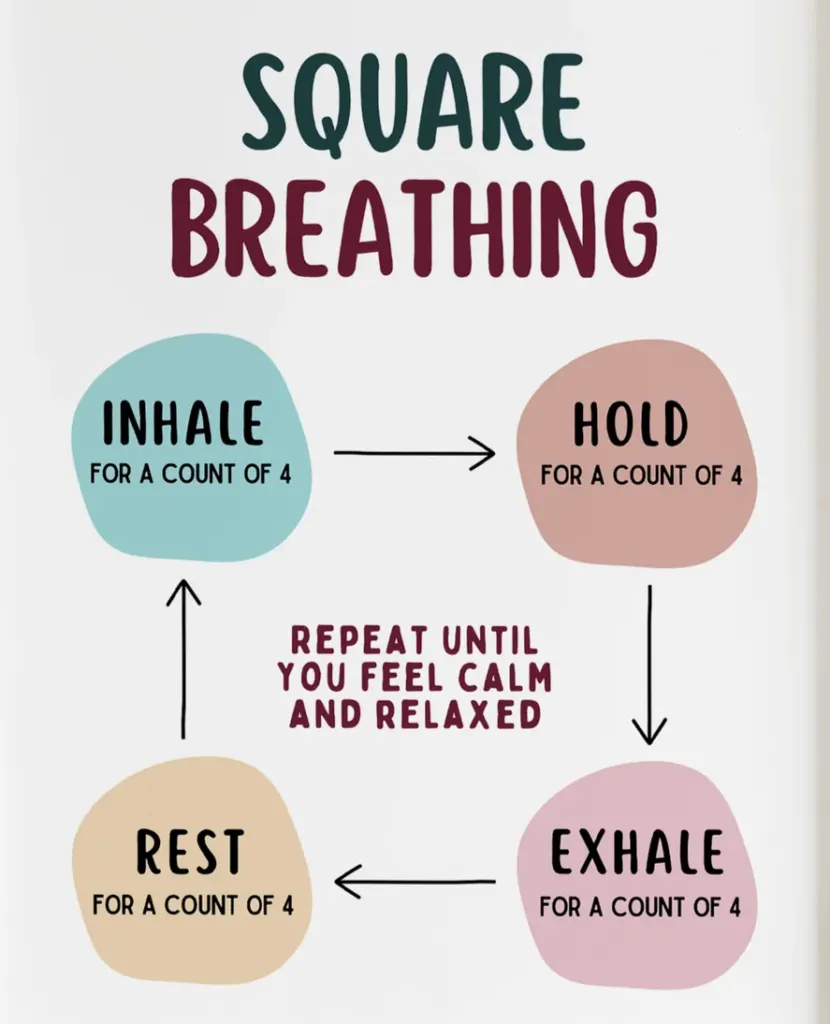
Benefits of SQUARE BREATHING
Reduces Stress and Anxiety
Improves Focus and Concentration
Enhances Emotional Regulation and Mood
Supports Cardiovascular Health
Promotes Better Sleep
M’s Trails–Moms & Kids Hiking Group
Summit View Counseling hosts a hiking group in Utah Valley! We believe in the power of nature, physical movement, and friends!! Come join our hiking group! Monday mornings 9am-noon, geared toward moms and kids ages baby-10ish years old. Please contact us for more information.
Read this great article about the benefits of hiking with kids!